How to Help Kids Manage Spring Allergies Naturally for 2026
Disclaimer
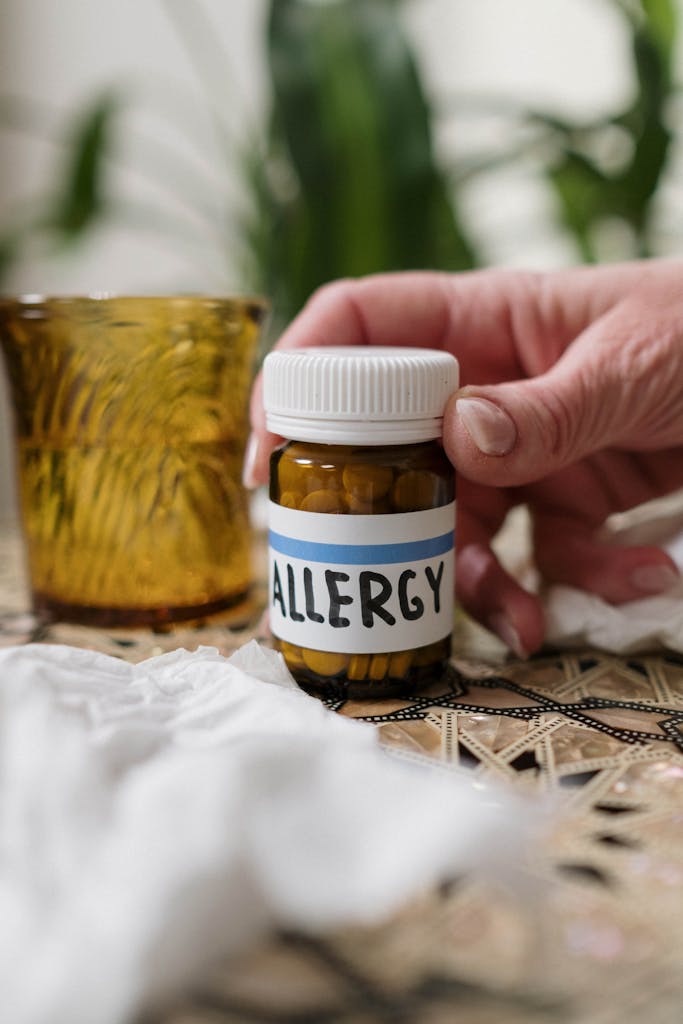
The information provided in this blog post is for informational purposes only and is not intended as medical advice. Always consult with your child’s healthcare provider before trying new remedies or making changes to their health regimen, especially if your child has a known spring allergy, medical condition, or is taking medication. Every child’s needs are different, and what works for one may not be suitable for another.
As a mom of three, I know how tough seasonal allergies can be for our little ones. From sneezing fits to itchy eyes and that constant feeling of discomfort, watching my kids struggle with the seasonal shifts in pollen and allergens has never been easy.
But over time, I’ve discovered that natural remedies can really make a difference. In this post, I’ll share the seasonal allergy survival tips that have worked for my family, all using natural solutions that are gentle on their bodies but effective in easing those pesky symptoms.
Understanding Seasonal Allergies in Kids
Before we discuss natural remedies, it’s important to understand what’s happening when your child suffers from seasonal allergies. Spring 2026 is predicted to bring a longer and stronger pollen season (thanks to warmer temperatures and earlier plant blooming).
According to recent pediatric allergy updates, tree and grass pollen levels have already begun spiking earlier than usual this year across much of the U.S.
Seasonal allergies usually occur when pollen from trees, grasses, or weeds enters the air. That usually means that your child’s immune system mistakenly identifies these particles as threats and releases histamines that can trigger:
- Sneezing
- Itchy or watery eyes
- Runny nose
- Congestion
- Coughing
I’ve seen all these symptoms in my kids, and while over-the-counter medications help, I like to minimize them when I can. Here are the natural remedies that have helped my children breathe easier in the spring.
Saline Nasal Spray for Congestion Relief
When my kids’ noses are stuffed up, a saline nasal spray is a lifesaver. It’s gentle, drug-free, and works wonders for clearing mucus and allergens from their nasal passages.
I spray a few times into their nostrils and let them blow their noses. For my youngest, who isn’t quite old enough to blow properly, I still use a nose frida.
Local Honey for Allergy Relief
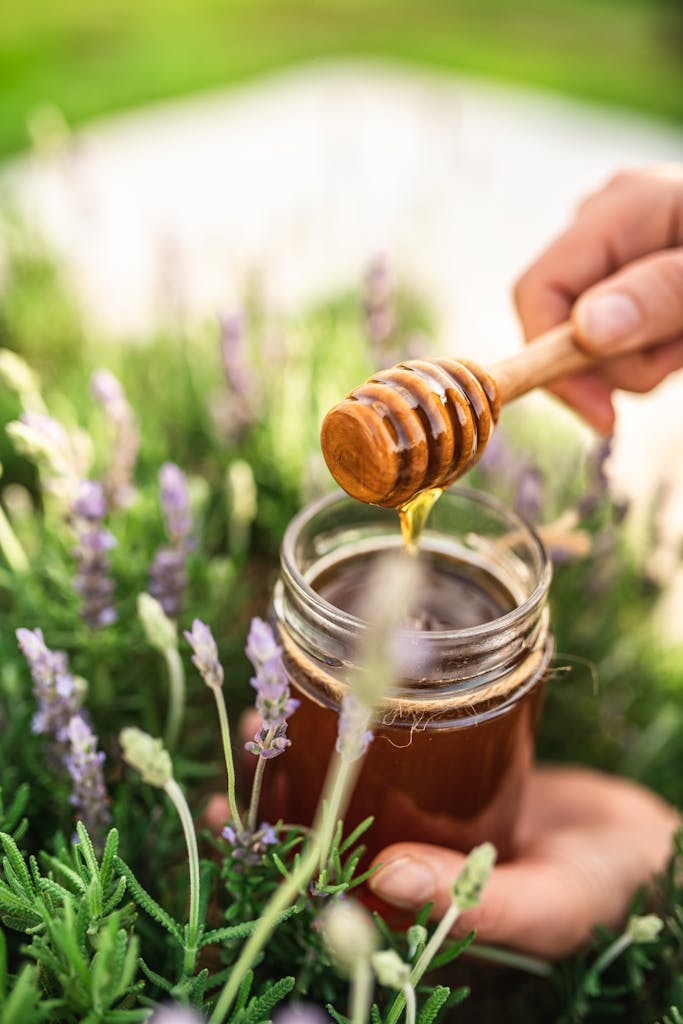
Local honey remains one of our family’s favorite natural allergy remedies. The theory is simple: by consuming honey produced with local pollen, your child’s body may become more accustomed to regional allergens, potentially lessening their reaction.
While science hasn’t confirmed this as a cure, many parents, myself included have seen real improvements. I give my kids a teaspoon of local honey each morning.
Since honey is safe for children over the age of one (my now 2-year-old loves it!).
Herbal Teas and Warm Fluids
Drinking warm fluids help soothe the throat, relieve congestion, and help hydrate the body. Chamomile or peppermint tea are safe for children and known for their mild anti-inflammatory and calming effects.
Chamomile tea contains natural antihistamine properties, making it especially helpful for nighttime stuffy noses. It is known to help relax them before bed and eases breathing.
Other child-safe herbal blends in 2026 include rooibos and lemon balm, both caffeine-free options with immune-boosting antioxidants.
Essential Oils for Respiratory Relief
Essential oils have become a consistent part of our spring allergy routine. I’ve found that eucalyptus, lavender, and peppermint oils help open airways and reduce that dreadful sinus pressure.
I always dilute essential oils properly and use them safely. A few drops in a diffuser can fill the room and support clearer breathing. For extra relief, I mix one drop of eucalyptus oil with coconut oil and rub it on my kids’ chests or the soles of their feet before bed.
For 2026, some moms are also using kid-safe blends that combine chamomile and lavender. These are calming and especially helpful for nighttime congestion.
Probiotics to Strengthen Immunity
A healthy gut supports a healthy immune system, and probiotics have made a noticeable difference for my kids. I’ve seen fewer allergy flare-ups since we began incorporating probiotics into their diet.
They help balance the microbiome, which can reduce the body’s overreaction to allergens. Whether through supplements, yogurt, or kefir, probiotics are now a go-to natural approach in many 2026 pediatric allergy recommendations.
For my family, this simple daily addition has meant fewer allergy days and faster recovery when symptoms start to appear.
Frequent Handwashing and Evening Baths
One of the easiest ways to reduce allergens is through routine hygiene. Pollen sticks to EVERYTHING like skin, hair, and clothing so handwashing and bathing are a must!
I make sure my kids wash their hands after playing outside. We always bathe in the evening to remove pollen before bedtime. For my daughter, who has long hair, I also do a quick wash or rinse. This prevents allergens from lingering on pillows and triggering those nighttime allergy symptoms.
Air Purifiers for Cleaner Indoor Air
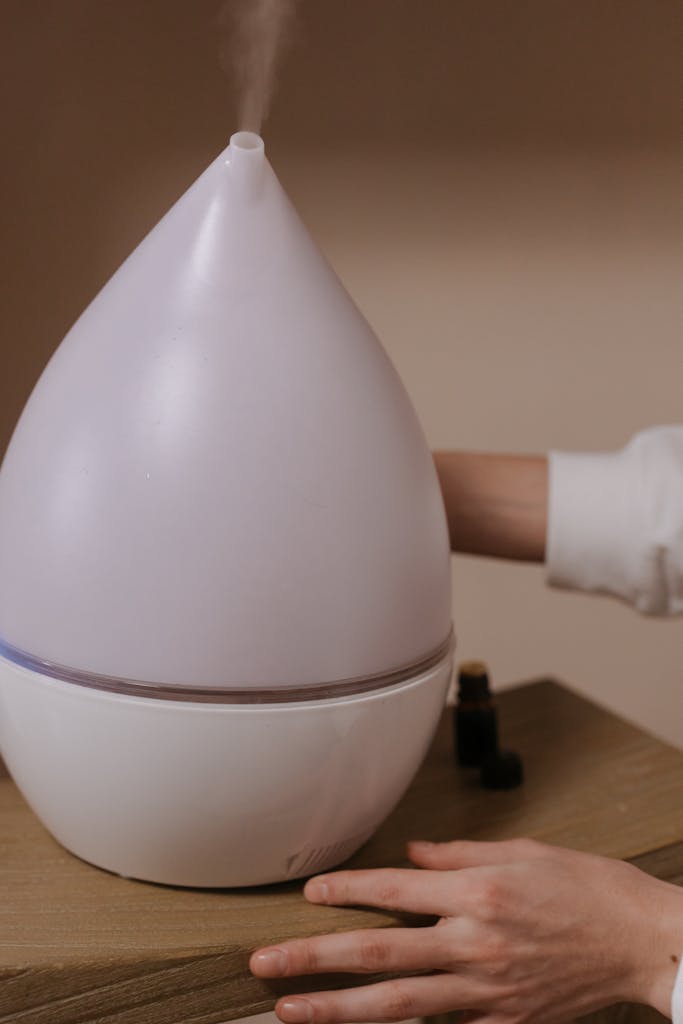
When pollen counts start to rise, I rely on HEPA air purifiers in our main living spaces and bedrooms.
I’ve noticed a big difference in my kids’ nighttime breathing since making this a habit. The key is to change filters regularly which is usually every three months during allergy season.
I also vacuum and wipe down surfaces frequently to prevent buildup. For families in 2026, smart air purifiers that track pollen levels and automatically adjust fan speed are a convenient upgrade worth considering.
Vitamin C for Immune Support
Vitamin C is a natural antihistamine and one of my favorite ways to support my kids’ immune systems during allergy season. We load up on oranges, strawberries, bell peppers, and kiwi — and I keep a kids’ vitamin C chewable on hand for days when their allergies seem stronger.
This simple addition helps reduce the severity of symptoms and supports overall wellness during high-pollen months.
Avoiding Allergens (as Much as Possible)
Even with all these remedies, prevention is key. During peak pollen hours (typically early morning and sunset), I keep the kids indoors or in shaded areas.
We keep windows closed and rely on the A/C for ventilation. After baseball practice or afternoon park adventures everyone showers and changes clothes right away.
These small habits dramatically reduce flare-ups and make allergy season much more manageable.
Wrapping It Up
As a mom, I want to make sure my kids feel their best especially when spring allergies hit hard. By combining natural remedies like local honey, probiotics, and essential oils with smart prevention habits, I’ve helped my kids thrive through even the worst allergy seasons.
Every child is different, so experiment with what works best for your family. Whether it’s adding chamomile tea before bed or investing in an air purifier, these Spring 2026 allergy tips can help your kids breathe easier and help you stress a little less.
Here’s to a season full of fresh flowers, sunshine, and easier breathing!




These are very effective home remedies you listed. I have tried chamomile tea and it works like magic. Never knew about honey though. Will try it and see
Thank you for reading!